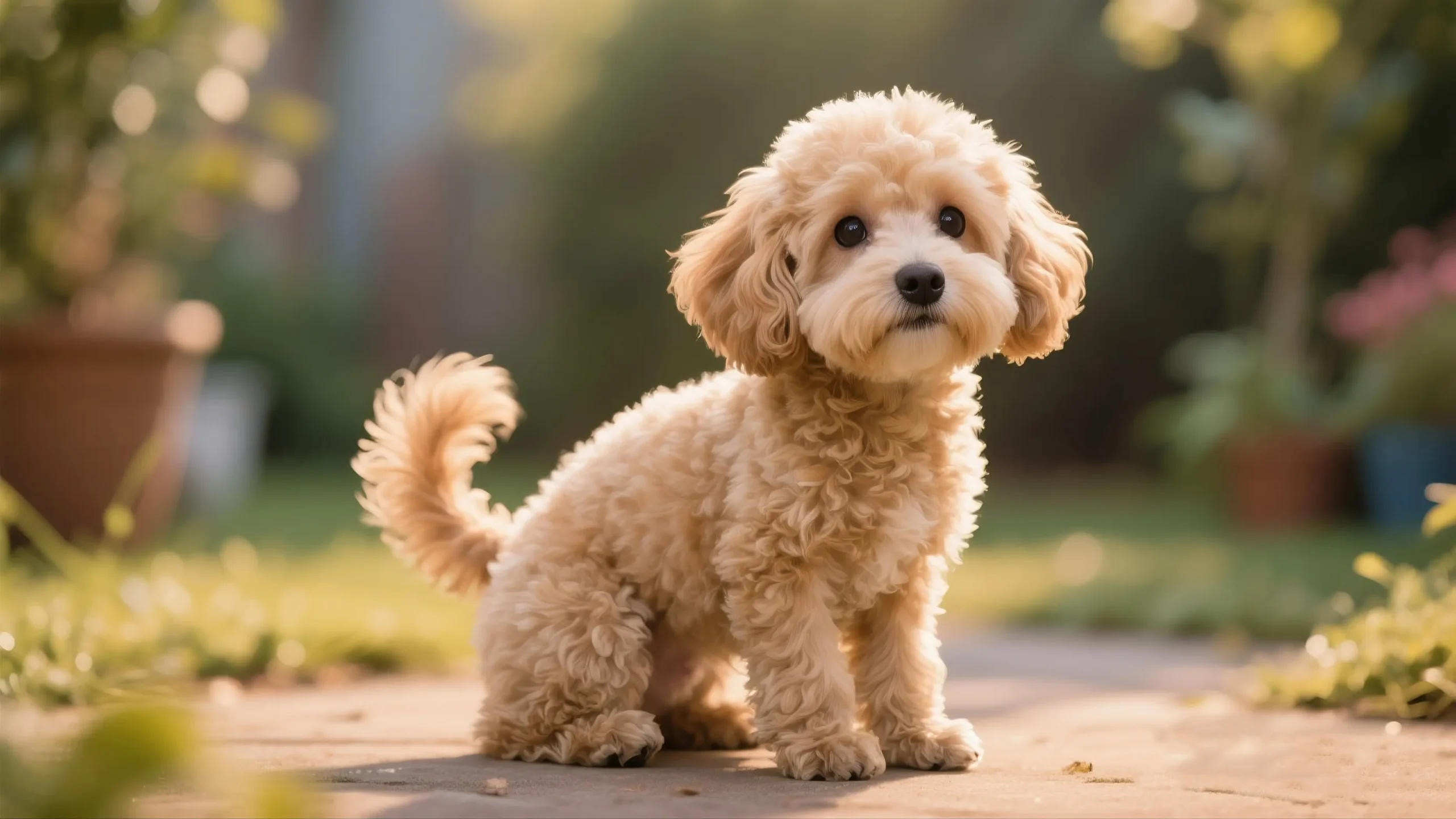

How to Choose the Right Pet for Good Feng Shui Based on Your Five Elements
For most of us, pets are loyal companions. They bring comfort after a long day, fill a home with life, and quickly become part of the family.
Traditional Feng Shui takes that relationship one step further. Many practitioners believe that the right pet can also complement the energy of a household. When a pet’s natural characteristics are in harmony with your personal Five Elements profile, it’s thought to encourage a smoother flow of positive energy throughout the home.
Does that mean simply getting a particular animal will instantly bring wealth or good luck? Not exactly. Classical Feng Shui views pets as one piece of a much bigger picture that includes your home’s layout, your lifestyle, and your personal Ba Zi (Four Pillars of Destiny) chart.
Why the Five Elements Matter
The Five Elements—Wood, Fire, Earth, Metal, and Water—form the foundation of many traditional Chinese metaphysical systems, including Feng Shui and Ba Zi.
Rather than seeing these elements as physical materials, they’re understood as different types of energy that interact with one another. Every person has a unique elemental balance based on their birth details. When that balance is supported, many Feng Shui practitioners believe life tends to feel more harmonious.
This is one reason why some Feng Shui consultants also consider pets when discussing a home’s energy.
Choosing a Pet That Matches Your Element
There’s no universal “luckiest” pet. The most suitable companion depends on your own elemental makeup.
Wood Element
Suggested pets: Cats and rabbits
Cats are often associated with grace, awareness, and curiosity, while rabbits represent gentleness and steady growth. In traditional Feng Shui, both animals reflect qualities connected with the Wood element.
People with strong Wood energy may appreciate pets that encourage a calm, creative atmosphere and support personal development.
Fire Element
Suggested pets: Birds and active cats
Fire represents enthusiasm, visibility, and movement.
Birds naturally symbolize freedom and rising energy, making them a popular choice in many Feng Shui traditions. Energetic cats can also add a lively presence that complements Fire personalities, especially for people who enjoy an active home.
Earth Element
Suggested pets: Dogs and turtles
Earth energy is linked with stability, reliability, and family life.
Loyal dogs naturally reflect these qualities, while turtles have long symbolized longevity, protection, and steady support in Chinese culture. They’re often associated with creating a grounded and peaceful home environment.
Metal Element
Suggested pets: Hamsters and goldfish
Metal is traditionally connected with focus, organization, and clear thinking.
Hamsters are active yet orderly by nature, while goldfish have long been regarded as auspicious in Feng Shui. Although fish belong to the Water element, some schools of Feng Shui view the interaction between Water and Metal as supportive when considered within a complete elemental analysis.
Water Element
Suggested pets: Tropical fish, aquatic animals, or snakes
Water represents wisdom, flexibility, and intuition.
Aquatic pets naturally reflect these qualities, while snakes have long carried symbolic meanings of transformation and insight in Chinese culture. Depending on your Ba Zi chart, these animals may be considered a suitable energetic match.
Where Should Your Pet’s Bed Go?
Believe it or not, placement matters almost as much as the pet itself.
Many Feng Shui practitioners recommend giving pets a clean, comfortable resting area where energy can circulate freely. A pet that feels secure is also thought to contribute to a calmer household.
One location that’s commonly suggested is the home’s wealth area, often identified as the corner diagonally opposite the main entrance of the living room. In traditional Feng Shui, this area is associated with abundance and healthy energy flow.
At the same time, there are a few spots that are generally avoided:
Next to bathrooms or toilets
Under exposed ceiling beams
In dark, cluttered storage corners
Along narrow walkways with constant foot traffic
These areas are traditionally associated with stagnant or unsettled Qi, which isn’t considered ideal for people or pets.
What Your Pet May Be Telling You About Your Home
Most homeowners don’t notice this at first, but many Feng Shui practitioners pay attention to how pets behave indoors.
A relaxed, playful pet is often viewed as a sign that the environment feels comfortable and balanced. On the other hand, if a normally healthy pet consistently avoids certain rooms or seems unusually restless, some consultants may take it as a reason to look more closely at the home’s layout or energy flow.
That doesn’t necessarily mean your home’s Feng Shui is “bad.” Pets can become stressed for many reasons, and their health should always be evaluated by a qualified veterinarian first. Feng Shui simply offers another perspective that some families choose to explore.
A Personalized Approach Works Best
It’s easy to assume that every Dog owner should own a dog or every Water person should keep fish. Traditional Feng Shui is rarely that simple.
A complete Ba Zi reading looks at the balance between all five elements, not just the element you’re born under. That’s why personalized recommendations are often more meaningful than following a general list.
The goal isn’t to choose a pet for luck alone. It’s to welcome an animal that fits your lifestyle while creating a home that feels balanced, comfortable, and full of positive energy.
If you’re curious about which pet may best complement your own Five Elements, a personalized Ba Zi analysis can provide a more complete picture than any general guide.


