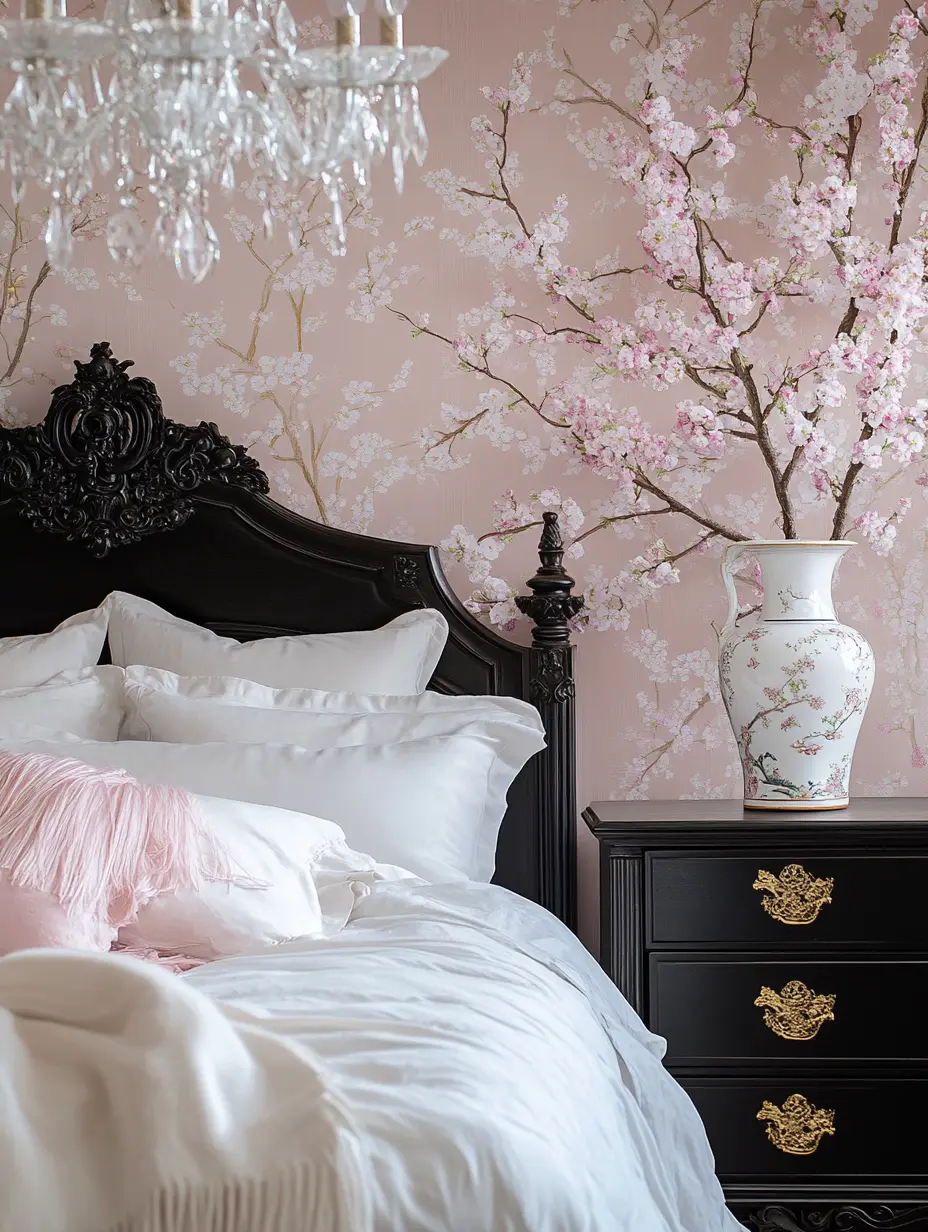

We spend about one-third of our lives in the bedroom. As the place for rest, recovery, and privacy, the bedroom directly influences our health, emotional balance, and even financial fortune. In Feng Shui philosophy, the bedroom is considered the “wealth vault” of the home — a space that stores energy and prosperity.
So, what are the most common bedroom Feng Shui mistakes to avoid? Here are six important rules to help improve your bedroom layout and energy flow:
1. Too Many Electronics, Especially a TV Facing the Bed
One of the major Feng Shui bedroom layout mistakes is having excessive electronics. According to Feng Shui, this creates a “fire energy” imbalance, known as a “fire house,” which harms health. A TV facing the foot of your bed can emit electromagnetic radiation that disrupts meridian energy flow and circulation.
Bedroom Feng Shui tips: Minimize electronics in the bedroom and avoid placing the TV at the foot of the bed. Always unplug when not in use.
2. Bathroom Door Directly Facing the Bed
Bathrooms are associated with heavy yin energy and moisture, both of which negatively affect health — particularly the kidneys and lower back. Research shows many people living with this layout often suffer from back pain.
Feng Shui bathroom tip: Add leafy plants or a folding screen between the bed and the bathroom to block harmful energy.
3. Bedroom Is Too Large (Over 20 Square Meters / 215 sq ft)
Traditional Feng Shui warns that “a large room with few people is an unlucky house.” A room that’s too big disperses the body’s energy field, weakening your immune system and increasing fatigue.
Optimal bedroom size Feng Shui: Keep the bedroom between 10–20 square meters (107–215 sq ft) for balanced energy and restful sleep.
4. Bedrooms with Balconies or Floor-to-Ceiling Windows
Balconies and large glass windows increase energy loss during sleep. These structures can’t retain heat or energy, leading to fatigue, insomnia, and poor sleep quality.
Bedroom energy protection: Choose rooms without balconies, or use thick curtains to retain warmth and block energy leakage.
5. Large Windows Facing East or West
Rooms facing east or west receive intense direct sunlight, especially in the morning or afternoon. This leads to overstimulation — causing restlessness, irritability, and poor sleep — known in Feng Shui as “light sha” or “light killing energy.”
Window direction tip: Choose a bedroom facing north or south. If already facing east/west, use blackout curtains during peak sunlight hours.
6. Chandelier Hanging Directly Above the Bed
In Feng Shui, this setup is called “chandelier pressing the bed,” believed to create oppressive energy (sha qi). Psychologically, it can increase subconscious stress, disrupt sleep, and affect hormone balance.
Feng Shui bedroom lighting: Avoid ceiling lights directly above the bed. Use soft lighting from table lamps or floor lamps instead.
Feng Shui Tips for Designing a Child’s Bedroom
What Should You Know About Bedroom Doors?
Feng Shui Impact of Having Two Doors in the Bedroom
Ultimate Guide to Bedroom Lighting Feng Shui
Feng Shui Principles for Bed Placement in the Bedroom
What Should Rabbits Wear or Display in 2025 to Attract Wealth?
Which Zodiac Signs Should Tigers Avoid Collaborating With?
The Best Years for Wealth for People Born in the Year of the Ox
Which Zodiac Signs Should Rats Avoid Working With?
Lucky and Unlucky Colors for Dogs in 2025


