
Is Feng Shui Real or Just Superstition?
Good question, and you’re not the first to ask.
Short version: it’s a folk tradition about how spaces affect people. Some of it lines up with things we can now measure — light, airflow, sightlines, the link between clutter and stress. Some of it is symbolism and belief, and the old texts admit as much once you read them without a sales pitch in front of you.
Does it “work”? Depends what you mean by that.
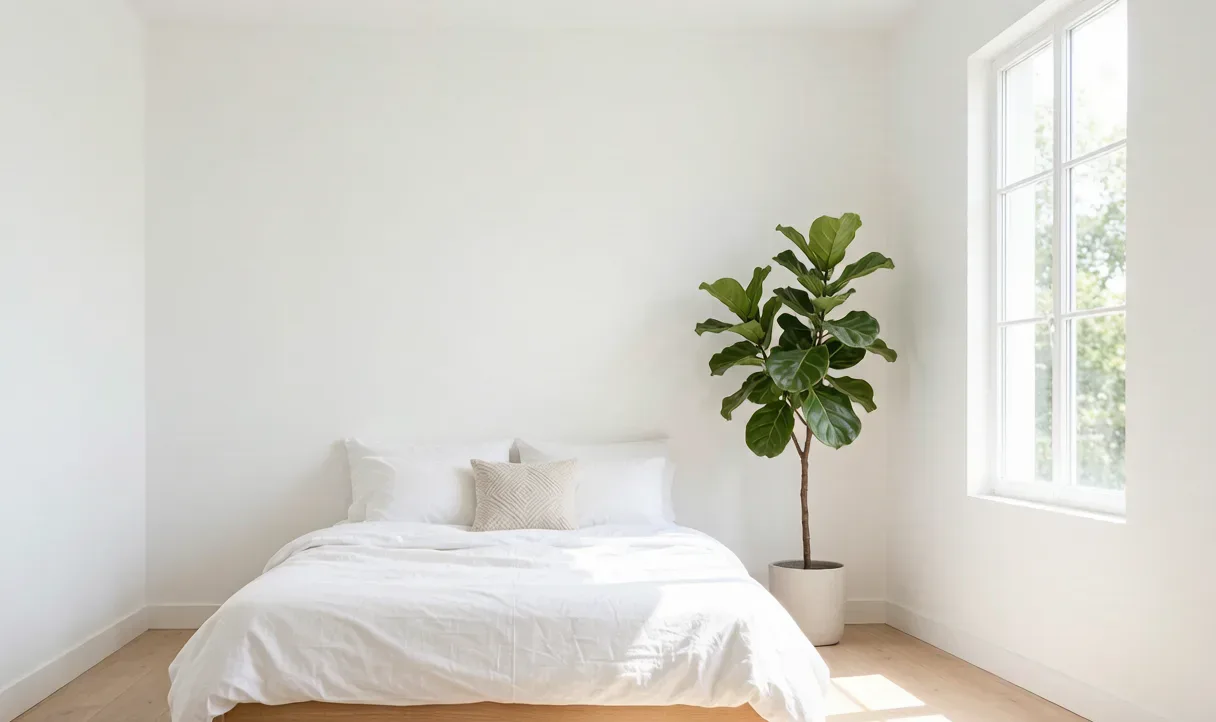
A bright, uncluttered room with a bed you can relax in will help almost anyone sleep and focus better. That’s not magic, that’s environment. Plenty of homeowners feel calmer after a Feng Shui clear-out, and the calm is real even if the compass degrees aren’t the cause.
The part skeptics are right to hit is the causal claim — that a specific object in a specific corner moves your income by itself. Traditional systems treat some of those links as symbolic, not mechanical. The moment a consultant promises a crystal will “fix” your career, that’s where healthy doubt kicks in.
The useful core, if you strip the ritual, is attention. Arranging a space on purpose makes you notice it, care for it, live in it more deliberately. That alone changes how a home feels.
So — superstition? Parts of it, honestly. Useless? No. Treat it like an old set of design principles wrapped in ceremony. Keep the bits that make your life calmer, skip the bits that ask you to believe things you don’t.
You don’t have to pick “fully real” or “total nonsense.” Most of what’s worth keeping sits in between, and you can test it with your own sleep.


