
Feng Shui Schools Disagree — Here’s How to Choose
New to this and it already feels like a fight? That’s normal.
One book says you’re an East person — sleep east, face east, live east. Another runs the flying stars for your building and says east is rough this year. A third ignores directions completely and talks about the shape of the hill outside.
So which one’s right?
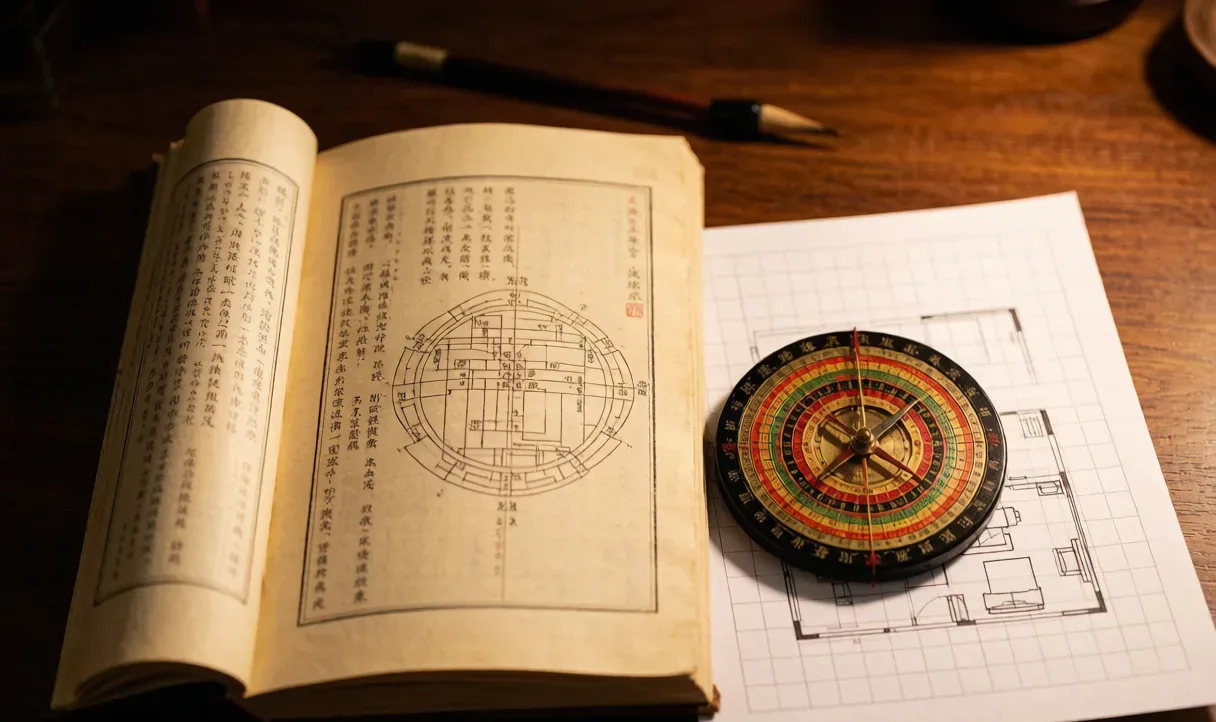
They’re different systems, not rivals. Eight Mansions sorts you by birth year into east and west groups. Flying Stars layers time on top, so a direction that was fine a decade back reads differently now. The Form
School barely touches a compass — it reads the land, the water, the shape of what surrounds you.
Some of them genuinely contradict each other on the same room. That’s not a glitch. It’s history. These methods grew in different regions for different questions, and nobody reconciled them because nobody had to.
So what do you actually do with the mess?
When you press the old teachers, a lot of them say the same thing: trust your own experience.
Try a layout for a week. Watch your sleep, your mood by midday, your energy. Feel better? That’s data your body made — more useful than any chart. Pets and plants are decent judges too; they drift to the calm corners and wilt in the harsh ones.
A simpler frame most practitioners agree on: start with what’s universal. Tidy space, decent light, a bed you can relax in, a door you can see without sitting in its path. Those hold across every school. The directional math is the layer you add once the basics feel right.
Easy to think you must pick the one “correct” system before you begin. You don’t. Most people blend — take the comfort rules from Form School, the timing notes from Flying Stars, ignore the rest until it matters.
Let conflicting advice free you from hunting the single right answer. Pick the school that makes your home feel better, and let your own nights be the judge.


