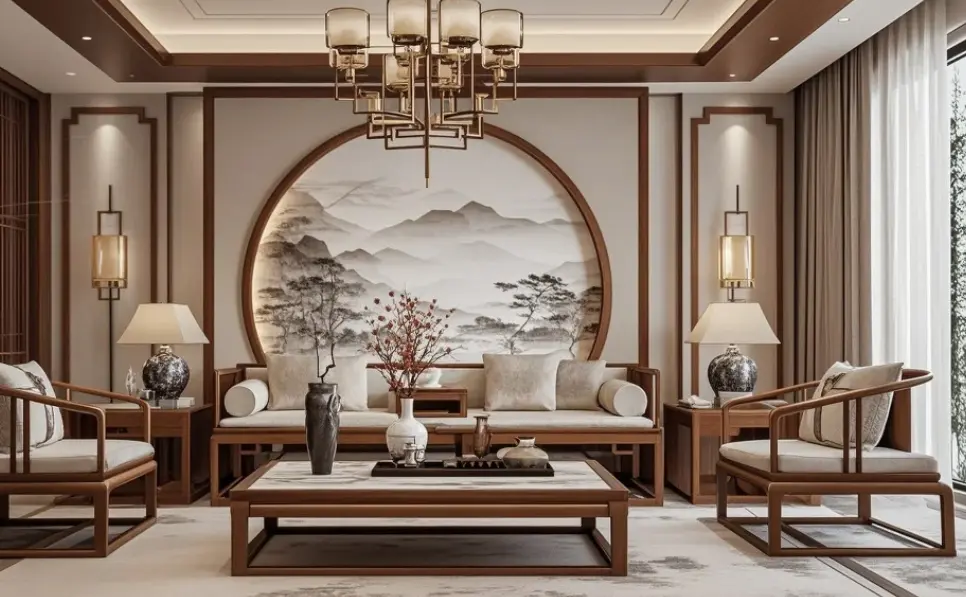

Where the Anchor Belongs
A client in Chicago once showed me a living room where the sofa floated in the dead center, back to the entry, facing a wall of books. Beautiful furniture, dead feeling. She said no one ever sat there. We moved it six feet, gave it a wall, and turned it to see the door. Two weeks later she texted: the room finally gets used.
The sofa is the anchor of the living room. It’s where the family lands, where guests sit, where most of the day’s unwinding happens. You don’t need new furniture to fix a living room that feels off. You usually need a better read on where the anchor sits. Here are the eight placement rules I apply on almost every home visit.
1. Let the seating feel like it belongs together
The room doesn’t need a matching set from one showroom. But the pieces should talk to each other. When the sofa and chairs share similar scale and weight, the eye rests instead of jumping. A giant sectional next to a spindly side chair reads as two unrelated thoughts, and the room feels unsettled because of it.
I tell clients to aim for harmony, not a catalog. If your seating already mixes styles, add one shared note, a similar wood tone or a repeating fabric, and the clash softens.
2. Give the sofa a wall at its back
This is the rule I check first, because it fixes more uncomfortable rooms than anything else. A solid wall behind the sofa reads as a mountain at your back: stability, support, somewhere to lean. When you sit with a wall behind you, you’re not bracing for whoever walks in.
If your layout forces the sofa into the middle of the room, don’t panic. A console table, a low cabinet, or a decorative screen behind it does the same job. The goal is a sense of backing, not a specific material.
One thing I steer clients away from: a fish tank or fountain directly behind the seating. Water is movement; the sofa should be steadiness. A few healthy plants behind it are a gentler choice. They soften the space and bring in balanced Wood energy without the visual churn.
3. Keep it out of the front door’s straight line
When the sofa sits in direct line with the main entrance, people walk in and their eyeline lands on the backs of whoever is sitting. In the old language, the incoming qi rushes straight through. In plain terms, the room feels exposed and nobody relaxes into it.
The fix is small. A tall plant, a bookshelf, or a screen between the door and the sofa slows the sightline just enough. You keep an open, welcoming layout and lose the rush.
4. Watch for a beam overhead
A heavy ceiling beam above the sofa isn’t only an aesthetic issue. It presses down visually, and over time the seating area feels heavier than the rest of the room. Clients describe it as “I don’t know why, but I don’t love sitting there.”
If you can move the sofa, move it. If you can’t, tall plants on either side or softer lighting on the ceiling take the edge off. You’re not removing the beam. You’re breaking the hard line it draws across where people sit.
5. Build a conversation area, not a corridor
L-shaped and U-shaped arrangements work because they turn inward. They pull people toward each other instead of lining them up against the walls. A single straight sofa can do the same job with one accent chair or an ottoman pulled close.
I’ve noticed something repeated across homes: people linger in rooms where the furniture subtly embraces the space. They leave quickly from rooms where the seating faces the wall and the traffic cuts straight through. The shape tells the body whether to stay.
6. Use soft, layered light
A single harsh spotlight aimed at the sofa makes the whole room tense, even when the furniture is right. Combine a table lamp, a floor lamp, and maybe a wall sconce so the light comes from a few places at once. The glow drops the shadows around the main seat and the room reads as a place to settle, not a stage.
7. Don’t hang a big mirror behind the sofa
Mirrors are useful, but behind the sofa they reflect movement to people trying to rest. Someone walks past in the reflection and the person sitting feels watched. A mirror on a side wall still brightens and opens the room without putting motion at your back.
This is the one clients fight me on, because mirrors make small rooms feel bigger. They do. Put it to the side and you keep the benefit without the jitter.
8. Don’t chase the compass direction before the basics
There’s a compass method I use for clients who want a full reading: East Group homes favor east, southeast, south, or north; West Group homes favor west, northwest, southwest, or northeast. It’s real method, and I apply it when the layout calls for it.
But for most people, a comfortable spot with a clear view of the room beats a technically correct direction that feels wrong to live in. Get the wall at the back, the door out of the sightline, and the light soft first. Then we can talk compass.
What I’d do in your room
If you only change one thing, give the sofa a wall and a view of the door. That single move settles more living rooms than any other. The beam, the mirror, the lighting are refinements you can layer in over a weekend.
The furniture you have is probably fine. The anchor just needs to sit where the room can breathe around it. If you want me to read your actual floor plan, I do one-to-one consultations and I’ll tell you what to move before you buy anything. You can read more practical home adjustments in our feng shui tips, or go deep on the living room guide for the rest of the space.
Common Questions
Should the sofa face the front door?
Not head-on in a straight line. A clear view of the door is good; sitting with your back to it or directly in its path is what makes a room feel exposed. Angle the sofa so you can see who enters without being in the doorway’s rush.
Is it bad if the sofa has no wall behind it?
It’s the most common comfort problem I fix. A wall at the back gives a sense of support. If the sofa must float, put a console table, low cabinet, or screen behind it to create the same backing.
Can a beam over the sofa be fixed without moving it?
Yes. Tall plants on either side or softer ceiling lighting reduce the visual pressure. The beam stays; you break the hard line it draws across the seating.
Why avoid a mirror behind the sofa?
It reflects movement to people trying to relax, so they feel watched. A side-wall mirror keeps the room brighter and larger without putting motion at your back.
Which direction should the sofa face?
If you follow compass method, East Group homes use east, southeast, south, or north; West Group homes use west, northwest, southwest, or northeast. But a comfortable position with a view of the room matters more than a technically correct direction for most homes.
