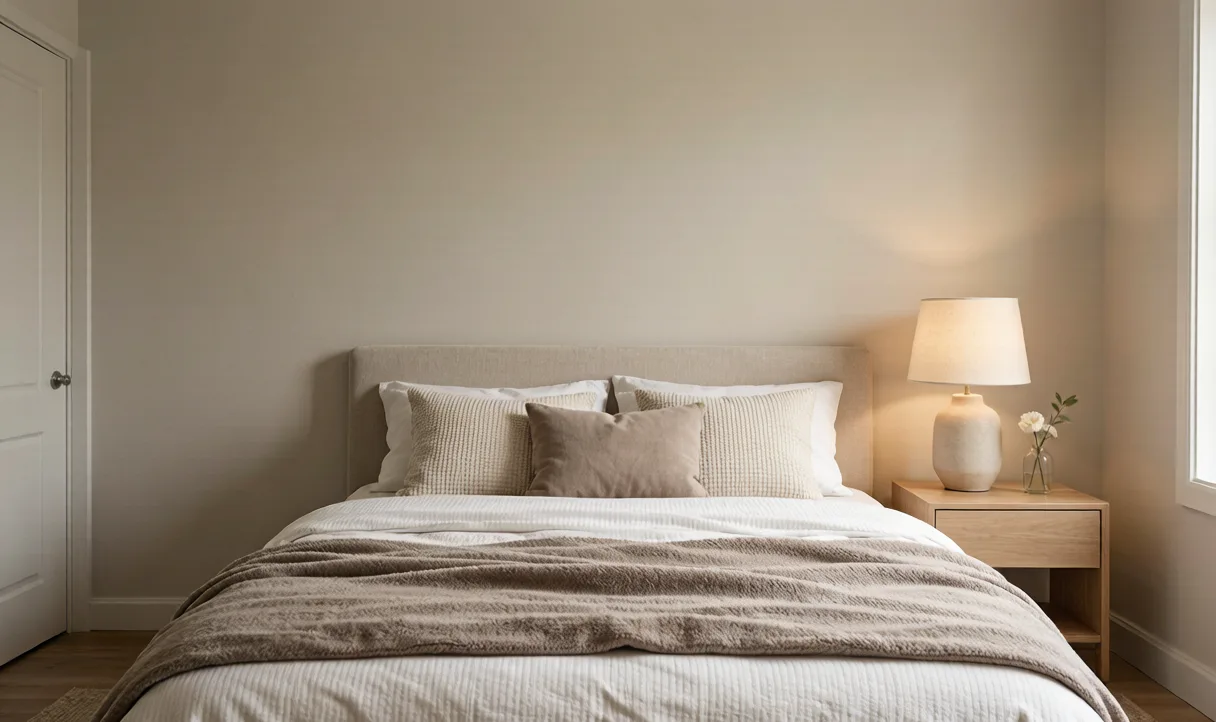

Few Feng Shui questions come up as often as this one: which way should my head point when I sleep? Classical Feng Shui teaches that the body absorbs the environment while we rest, so orientation isn’t just about comfort. It’s about what kind of energy you’re lying inside for six to eight hours a night.
The short answer most people hear is “head north.” Some schools suggest sleeping with your head toward the north pole lines your body up with the planet’s magnetic field. Others push south, and a few swear by east because it catches the morning light. The truth is messier, and that’s fine.
From a Feng Shui perspective, the more personalized method is the kua system. Your birth year places you in an East or West group, and each
group has a “best” direction for rest and a “worst” one. A West-group person sleeping due east may simply sleep lighter than someone pointed at their favored southwest. That doesn’t mean east is cursed. It means your body might notice.
Here’s the thing: the direction debate matters far less than the basics around the bed. A bed squeezed into a corner with the door swinging straight at your feet will override almost any compass direction. Many practitioners believe the commanding position — where you can see the door without being in its direct line — does more for sleep quality than north-versus-south ever will.
If you want to test it without rearranging your whole room, try this. Sleep one week with your head where it is now, then shift the bed 90 degrees for a week and notice how you feel. The body keeps an honest scorecard. Traditional Feng Shui views self-observation as valid data, not a consolation prize.
One more wrinkle. Modern homes are full of things the old texts never mention — Wi-Fi routers, metal bed frames, heating vents. None of these cancels a direction, but they change how a room feels. If your “best” direction parks your head two inches from a buzzing router, the router wins. Practical comfort still leads.
A few practical notes. Avoid pointing your head at a window where streetlight and noise pour in, and don’t sleep with your feet lined up directly out the door — that “coffin position” tends to leave people restless for reasons that have nothing to do with magic and everything to do with feeling exposed.
At the end of the day, the best sleeping direction is the one that lets you actually sleep. Use the compass as a tiebreaker, not a rulebook. If north feels wrong and west feels calm, trust west. That’s about as much certainty as the tradition itself offers — and a good night’s rest beats a correct compass bearing every time.


